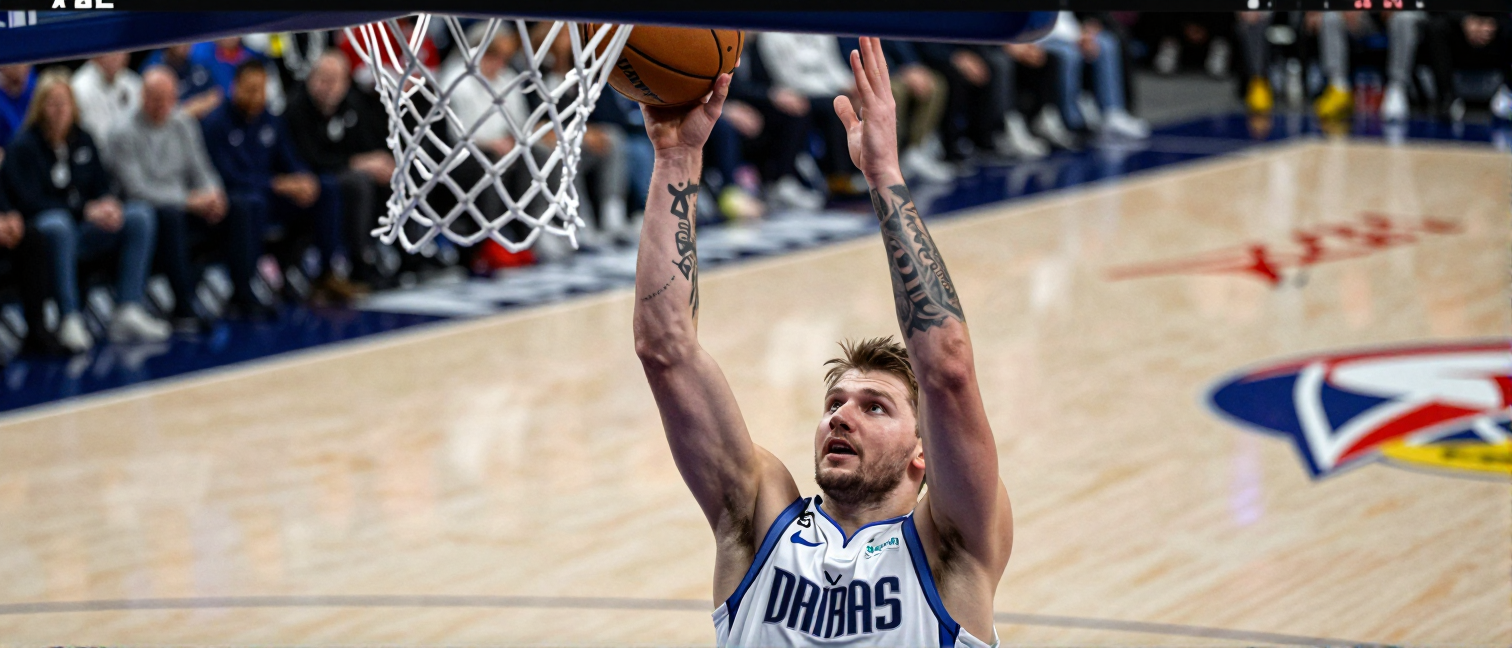
Luka Dončić has become the centerpiece of Los Angeles’ offseason strategy, prompting the Lakers to pass on veteran DeMar DeRozan on 1 July 2026, according to NBA insider Jake Fischer.
Why the Lakers aren’t chasing DeRozan
Fischer told a Bleacher Report livestream that Los Angeles is “focused on getting players more on Luka Dončić, his timeline.” The 27‑year‑old point guard’s contract extension last summer set a clear direction: build a roster that ages with him and fellow guard Austin Reaves. DeRozan, at 37, simply doesn’t fit the athletic, multi‑position mold the front office seeks.
How the roster is reshaping around Dončić
Since Pelinka declared Dončić the franchise core, the Lakers have trimmed veteran depth. LeBron James (41), Marcus Smart (32), Luke Kennard (30) and Rui Hachimura (28) were either traded or let go. In their place arrived Walker Kessler (24), Quentin Grimes (26), Collin Sexton (27) and Sandro Mamukelashvili (27) – players whose prime years line up with Dončić’s.
What the new supporting cast offers Dončić
Kessler provides rim protection, a need Dončić voiced during last season’s playoffs. Grimes adds a two‑way wing capable of guarding top perimeter threats while spacing the floor with catch‑and‑shoot threes. Sexton brings another ball‑handling scorer who can relieve Dončić when defenses collapse. Mamukelashvili offers front‑court versatility and energy off the bench.
DeRozan’s skill set vs. Lakers’ blueprint
DeRozan remains one of the league’s elite mid‑range shooters, averaging 18.4 points, 4.1 assists and 2.9 rebounds before a hamstring ended his 2025‑26 campaign. Yet Fischer noted, “I’d be really surprised if they wanted to bring on a 37‑year‑old DeMar DeRozan, who is not the typical 3‑and‑D wing player you would want to put next to Luka Dončić.” The Lakers instead keep Jonathan Kuminga as their top wing target, a younger, more athletic option that aligns with the Dončić‑centric plan.
What this means for the Lakers’ future
The shift signals a departure from the veteran‑heavy Lakers teams of the past decade. By surrounding Dončić with players who can defend multiple positions, run the floor and contribute without dominating the ball, Los Angeles hopes to craft a sustainable contender. If the plan holds, Dončić will have a supporting cast that can grow with him, potentially turning the franchise into a perennial playoff threat.
How fans should view the decision
For Lakers supporters, the DeRozan snub may feel like a missed short‑term boost, but the front office’s commitment to a younger core suggests a longer‑range vision. As the season approaches, the real test will be how quickly Kessler, Grimes, Sexton and Mamukelashvili can gel with Dončić’s playmaking style and whether Kuminga can fill the wing void.
Bottom line
Luka Dončić’s influence now extends beyond his on‑court production; it shapes roster philosophy, dictates trade targets and even determines which veteran names stay off the Lakers’ wish list. The DeRozan decision underscores that the franchise is building around the Slovenian star, not merely around a name.