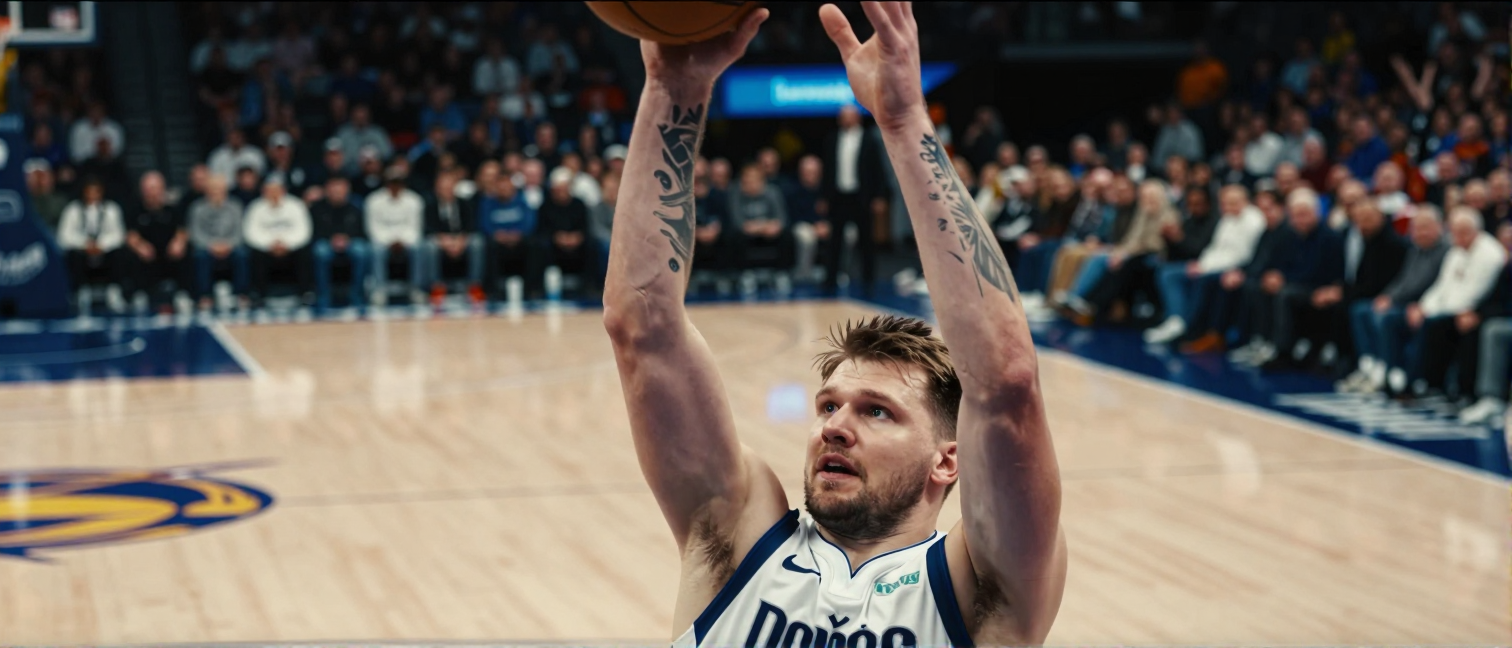
Luka Dončić was at the heart of a new legal battle on 9 July 2026 when former Dallas Mavericks owner Mark Cuban filed a lawsuit against current owner Patrick Dumont, alleging the $3.5 billion sale violated a handshake agreement that should have kept Cuban in charge of basketball operations.
What triggered the lawsuit?
The dispute stems from a verbal deal made during the 2023 sale, according to Dallas Morning News reporter Brad Townsend. Cuban maintained a 27 % stake and claimed the agreement promised him continued control of roster moves. Dumont, however, asserted full authority, shifting basketball decisions to GM Nico Harrison. The filing states that the trade of Luka Dončić to the Los Angeles Lakers—announced in February 2025—was executed without Cuban’s input, directly breaching the alleged pact.
How did the trade unfold?
On 12 Feb 2025 the Mavericks sent Dončić, the 2022‑23 MVP, to the Lakers in exchange for Anthony Davis and additional assets. The move shocked analysts, who called it one of the worst NBA trades in recent memory. Davis played only ten games for Dallas before being flipped to the Washington Wizards. The trade dramatically altered Dallas’s rebuild timeline and left fans questioning the franchise’s direction.
Why does the trade matter for Cuban?
Cuban argues that retaining control over basketball operations would have prevented the Dončić deal. In his petition, he wrote that the trade “disappointingly confirmed” Dumont’s breach of the handshake agreement. Cuban’s lawsuit seeks either reinstatement of his operational role or monetary damages tied to the perceived loss of franchise value caused by the trade.
What’s next for the Mavericks?
While the court case proceeds, Dallas has already begun a new rebuilding phase. The team hired Masai Ujiri to run the front office and appointed Dusty May as head coach. Young phenom Cooper Flagg, drafted in 2024, is now the centerpiece of the roster. The organization also announced plans for a destination‑style resort casino in Dallas, a project Dumont promised to prioritize in the original sale terms.
How could the legal outcome affect the NBA?
If the court sides with Cuban, it could set a precedent for future ownership agreements that include operational clauses. Teams might need to formalize such arrangements in writing to avoid similar disputes. Conversely, a ruling for Dumont would reinforce the autonomy of new owners to reshape basketball strategy, even if it means moving a franchise‑changing talent like Luka Dončić.
The lawsuit adds another chapter to an already turbulent saga that began with the 2025 trade. Fans, analysts, and league officials will be watching closely as the legal arguments unfold, aware that the decision could ripple through future NBA ownership deals.